
Generator Maintenance Guide From SDM Energy
Regular Generator Maintenance helps protect performance, reliability and service life while reducing the risk of discovering a preventable problem during a power outage.
Whether you own a portable generator, inverter generator, RV generator or home standby system, proper care should follow the manufacturer's instructions for your exact model. SDM Energy created this Generator Maintenance guide to explain common inspection, cleaning, storage and servicing considerations.
Why Generator Maintenance Is Important
A generator may remain unused for weeks or months and then be expected to start immediately during an outage. This operating pattern makes Generator Maintenance especially important. An engine that started successfully during its last use may develop issues caused by stale fuel, a weak battery, low oil, dirt, corrosion, moisture or long-term storage.
Routine Generator Maintenance gives owners an opportunity to identify visible wear and correct basic problems before emergency power is needed. The process may include checking the engine oil, inspecting the air filter, examining electrical connections, reviewing fuel condition and keeping the equipment clean and dry.
Maintenance requirements vary significantly between products. A small inverter model does not necessarily have the same service schedule as a liquid-cooled commercial unit or permanently installed standby generator. Always use the owner's manual for the exact model as the primary maintenance authority.
Customers comparing equipment can explore our portable generators, inverter generators, RV generators, home standby generators and solar generators.
Explore Generator CategoriesEssential Generator Maintenance Tasks
The following items are common areas of Generator Maintenance, but they are not a replacement for the model-specific manual. Service only the components you are qualified and authorized to handle. Disconnect or disable the unit according to manufacturer instructions before beginning maintenance.
Check the Engine Oil
Inspect the oil level as directed in the owner's manual. Running an engine with insufficient oil can cause serious damage. Use only the oil type and viscosity approved for the model, climate and operating conditions.
Inspect the Air Filter
A dirty or damaged air filter can restrict airflow and affect engine performance. Inspect, clean or replace the filter at the interval and by the method stated in the product manual.
Examine the Spark Plug
Gasoline-powered generators may require periodic spark-plug inspection or replacement. Incorrect gap, deposits or damage may contribute to difficult starting and irregular operation.
Review the Fuel System
Fuel can deteriorate during storage and may cause starting or running problems. Follow manufacturer instructions regarding fuel type, storage duration, draining and approved stabilizers.
Inspect the Starting Battery
Electric-start and standby generators may depend on a battery. Check for corrosion, loose connections, physical damage and poor charge condition according to the manufacturer's guidance.
Clean and Inspect the Unit
Remove dirt and debris from appropriate exterior surfaces, cooling openings and surrounding areas. Do not direct water into electrical components or use an unsafe cleaning method.
General Generator Maintenance Checklist
A maintenance schedule should be based on operating hours, elapsed time and the conditions in which the generator is used. Dust, high temperatures, heavy loads and frequent operation may require more frequent attention. The intervals below are planning categories, not universal replacement schedules.
Pre-Operation Check
Look for fuel or oil leaks, loose parts, damaged cables, blocked airflow, low oil and other visible concerns before starting the generator.
Monitor Performance
Pay attention to unusual sound, vibration, smoke, odor, warning lights, unstable output or unexpected shutdown. Stop the unit safely if a serious problem is suspected.
Cool and Inspect
Allow the generator to cool before refueling, cleaning or storing it. Inspect for new leaks, damage or debris after the operating session.
Scheduled Service
Complete oil, filter, spark-plug, battery and other service procedures at the intervals listed for the specific model.
Keep a Generator Maintenance Log
Record operating hours, oil changes, filter replacements, battery checks, repairs and professional service visits. A maintenance log makes it easier to identify upcoming work and provides a useful history when diagnosing a problem.
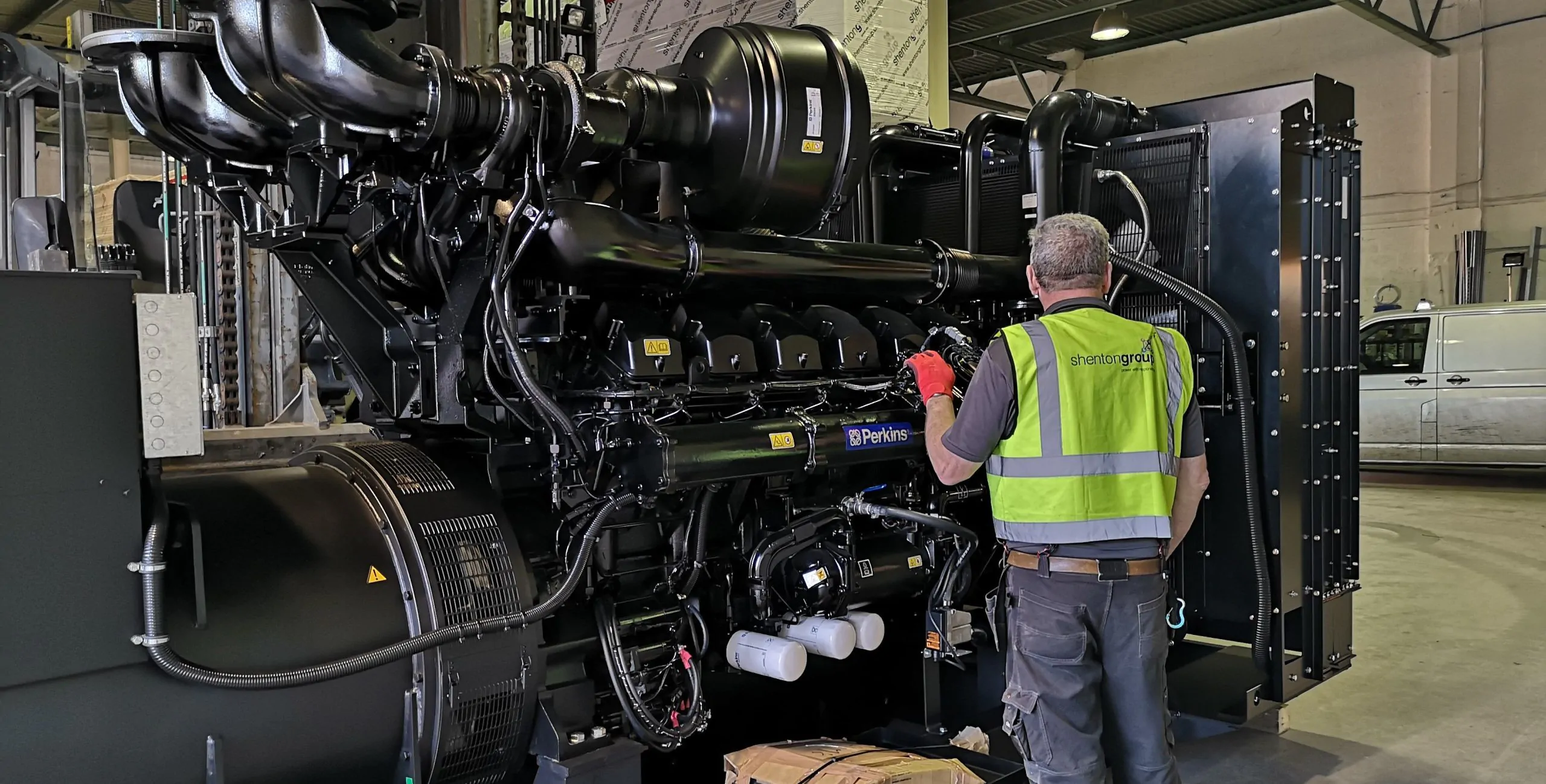
Portable Generator Maintenance
Portable Generator Maintenance should begin before every use. Place the generator on a stable surface and inspect the equipment for damaged outlets, cords, controls, wheels, handles and fuel components. Never operate a visibly damaged generator.
Check the engine oil while the generator is positioned as directed by its manufacturer. Do not assume that every portable generator uses the same oil or fill procedure. Adding too much oil can also create problems, so follow the specified capacity and checking method.
Inspect the air filter and cooling openings, particularly when the generator has operated in a dusty environment. Dirt can reduce airflow and increase operating temperatures. Clean only with approved methods and replace damaged components with compatible parts.
When the generator will be stored, follow the manual's fuel and storage instructions. Some manufacturers provide different procedures depending on how long the equipment will remain unused.
- Inspect for fuel, oil and exhaust leaks.
- Check engine oil before operation.
- Keep cooling openings free from debris.
- Examine outlets, cords and circuit protection.
- Use fresh fuel approved for the model.
- Allow the engine to cool before refueling.
- Store the unit in a clean and dry location.
Standby Generator Maintenance
Standby generators are permanently installed systems that may start automatically when normal electrical power is interrupted. Standby Generator Maintenance can involve engine service, battery inspection, enclosure cleaning, controller review and testing of the automatic transfer system.
Owners should regularly look around the enclosure for vegetation, leaves, snow, standing water, pest activity or objects that could restrict airflow. Required clearances must remain open. Do not store combustible materials against or inside the enclosure.
Many standby systems conduct an automatic exercise cycle. Owners should become familiar with the normal exercise schedule and indicator lights for their model. A missed exercise or warning message may require investigation rather than simply resetting the controller.
Because standby generators connect to a building's electrical system and may use natural gas or propane, some maintenance and diagnostic work should be performed by qualified technicians. Never bypass safety systems or attempt work beyond your training.
- Keep the enclosure and surrounding area clear.
- Review controller warnings and maintenance reminders.
- Observe scheduled exercise operation.
- Check for corrosion, leaks and damaged wiring.
- Maintain the starting battery as directed.
- Arrange qualified service when required.
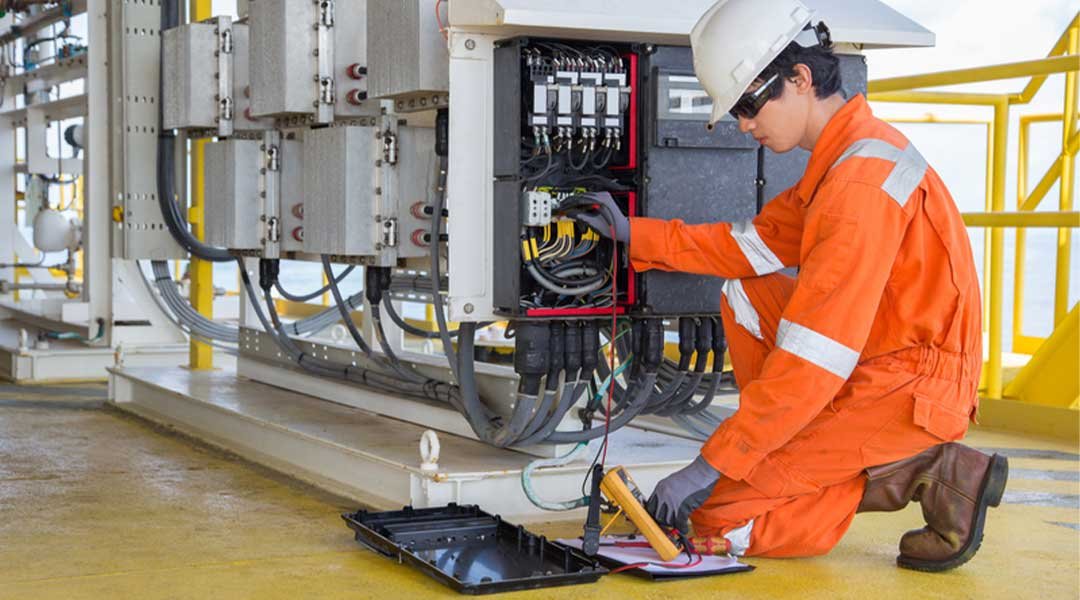
Generator Maintenance Before Long-Term Storage
Storage is an important part of Generator Maintenance. A generator should be allowed to cool and should be stored away from ignition sources, excessive moisture and corrosive materials. The storage location should protect the equipment without creating an unsafe fuel or vapor hazard.
Follow the manufacturer's directions for the fuel system. The correct procedure may involve treating fresh fuel with an approved stabilizer, draining certain components or running the engine for a specified period. Never improvise a storage method or assume advice for another engine applies to your generator.
Batteries may lose charge during long periods of inactivity. Review the manual for approved battery charging or maintenance procedures. Before returning the generator to service, perform a complete visual inspection and correct any evidence of leakage, pest damage, corrosion or deteriorated wiring.
Never Store a Hot Generator
Allow the engine and exhaust system to cool before moving the generator into storage. Fuel and fuel vapors can ignite when exposed to heat, flames or sparks. Store fuel only in approved containers and follow local fire-safety requirements.
Signs Your Generator May Need Professional Service
Generator Maintenance does not mean every owner should attempt every repair. Electrical, fuel-system, controller and internal engine problems may require specialized knowledge, testing equipment and replacement parts.
Stop operating the generator safely when you notice a condition that could create a fire, shock, exhaust or mechanical hazard. Consult the troubleshooting section of the owner's manual and contact a qualified service provider when the cause is uncertain.
Do not repeatedly restart equipment that is leaking, smoking, overheating, producing unstable power or activating a serious warning. Repeated operation can increase damage or expose people to avoidable hazards.
- The generator repeatedly fails to start.
- The engine surges or runs unevenly.
- Fuel, oil or coolant is visibly leaking.
- The unit produces unusual smoke or odor.
- Output voltage appears unstable.
- Breakers repeatedly trip without a clear overload.
- The generator overheats or shuts down unexpectedly.
- A standby controller displays an unresolved alarm.
- Wiring, outlets or terminals appear damaged.
Generator Maintenance and Safety Precautions
Shut down the generator and allow it to cool before completing routine maintenance unless the manufacturer's procedure specifically states otherwise. Prevent accidental starting by following the product's shutdown and service-isolation instructions.
Fuel-powered generators produce carbon monoxide. Maintenance testing and engine operation must take place outdoors, away from occupied buildings, windows, doors and ventilation openings. Never run a portable generator inside a home, garage, shed, basement or other enclosed or partially enclosed area.
Wear appropriate personal protective equipment for the task. Avoid loose clothing near moving components, keep ignition sources away from fuel and do not touch hot engine or exhaust surfaces.
Official Safety and Maintenance Resources
Review generator safety guidance from the U.S. Consumer Product Safety Commission and Occupational Safety and Health Administration .
Generator owners can locate model-specific information through the Generac product manual directory or the applicable manufacturer's official support website. Always follow the manual supplied for your exact generator model.
Generator Maintenance FAQs
These general answers can help owners understand common generator care, but the manufacturer's model-specific instructions should always take priority.
How often should Generator Maintenance be performed?
Maintenance frequency depends on the model, operating hours, fuel type, age and operating environment. Follow the schedule in the owner's manual rather than relying on one universal interval.
Should I check the oil before every use?
Many engine-driven generator manuals require regular oil-level checks, often before operation. Follow the checking method, oil specification and fill limits listed for your model.
Can old fuel prevent a generator from starting?
Deteriorated or contaminated fuel can contribute to starting and performance problems. Follow the manufacturer's fuel, stabilizer and storage guidance.
How should I clean my generator?
Allow the equipment to cool and use only approved cleaning procedures. Keep debris away from cooling openings and avoid directing water into outlets, controls or electrical components.
Does a standby generator need maintenance if it rarely runs?
Yes. Standby generators still require inspections and scheduled maintenance because engine oil, filters, batteries, fuel systems and electrical components can deteriorate over time.
Can I perform Generator Maintenance myself?
Owners may be able to perform basic tasks permitted by the manual. Electrical repairs, fuel-system work, internal engine service and standby-system diagnostics may require a qualified technician.
Why should I keep a maintenance log?
A log helps track operating hours, inspections, fluid changes, filter replacements, battery checks and repairs. It can also help technicians understand the generator's service history.
Where can I find the correct maintenance schedule?
Check the owner's manual supplied with the generator or use the manufacturer's official support website to locate the manual using the model and serial number.
Prepare for Reliable Backup Power
Proper Generator Maintenance begins with choosing suitable equipment, reading the manufacturer's manual and following a consistent service routine. Explore SDM Energy's generator inventory or contact us with your product questions.
Browse Generator Inventory Contact SDM Energy